

International. Automotive repair and maintenance is projected for a decade of expansion, driven by more vehicles and greater technological complexity.
According to projections by Future Market Insights Inc. for the period 2025–2035, the industry will grow from $1,033.6 billion in 2025 to about $2,065.2 billion in 2035, representing a compound annual growth rate of 7.2%. The dynamism of the sector is explained not only by the ageing of the global fleet, but also by the transition to electric, hybrid and software-defined vehicles.
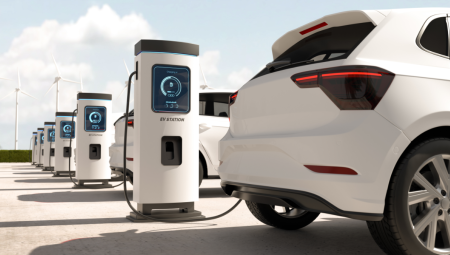
Electrification and digitalisation, the big drivers
The incorporation of advanced systems such as ADAS, high-voltage batteries, and remote upgrades (OTAs) is transforming the nature of automotive service. Workshops now require more sophisticated diagnostic tools and technicians with specialized training in electronics, software and battery management.
At the same time, predictive maintenance is gaining ground thanks to vehicle connectivity and the use of artificial intelligence. The cars generate real-time data on engine condition, tire pressure or brake wear, which allows them to anticipate failures and reduce operating costs, especially in fleets and shared mobility platforms.
In North America, the market remains mature, with the United States leading the way in terms of the size of its vehicle fleet and the high culture of preventive maintenance. The complexity of electric vehicles is driving investments in training and diagnostic equipment.
In Europe, environmental and safety regulations continue to raise service standards, while the adoption of electric vehicles reinforces the demand for specialized diagnostics and battery recycling.
Asia-Pacific is positioned as the fastest-growing region, driven by urbanization and the rise of the middle class in China and India. The development of digital platforms and mobile services is redefining the customer experience.
In Latin America, the Middle East and Africa, the market is moving towards greater organization, although it faces challenges related to parts availability, costs and technical training.
Opportunities and challenges
The rise of connected maintenance, mobile home services and electrification represent strategic opportunities for workshops and service chains. However, the sector faces relevant challenges, including the shortage of technicians trained in new technologies and the volatility in the global auto parts supply chain.
While between 2020 and 2024 growth was mainly driven by the ageing of the vehicle fleet and the basic digitalisation of processes, the next decade will be marked by electrification, diagnostic automation and sustainability.
The ability to adapt technologically, investment in specialized talent and the integration of digital platforms will be decisive for the sector's players to capitalize on the growth projected towards 2035.