

Bogota. The Colombian automotive sector closed 2025 with historic figures in the transition to sustainable mobility. According to data from FENALCO and ANDI, the country registered the registration of 19,724 electric vehicles, which represents a growth of 115% compared to the previous year.
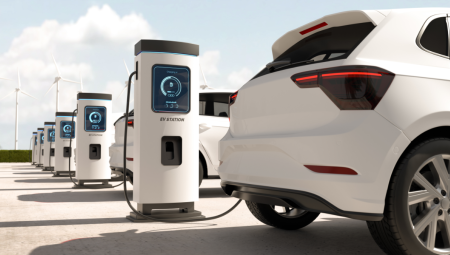
To this figure are added 67,899 hybrid vehicles, consolidating the fastest progress towards low-emission technologies in Colombia. However, the growth of the electrified vehicle fleet has highlighted a key challenge: the charging infrastructure has not evolved at the same pace.
Beyond the number of charging points available, the challenge lies in the capacity of the electricity grid to support simultaneous demand. The massive connection of vehicles in spaces such as residential buildings, shopping centres or corporate areas could generate overloads in local transformers, causing interruptions that would affect all users of the circuit.
Unlike mass transport systems or business fleets, which operate under centralized charging schemes and defined schedules, private users connect their vehicles in different places and times of the day. This dispersed dynamic increases the complexity in energy demand management and requires more robust planning by the urban electricity infrastructure.
- Advertising -"The record number of registrations confirms that the market has already made the leap. Now the responsibility lies with the infrastructure," says Vicente Lanza, CEO and co-founder of Ergenia, a company specializing in smart charging solutions. "It's not about installing more connection points, but about ensuring that the grid can sustain them without becoming a bottleneck."
The environmental impact of this transition also depends on the efficiency of such infrastructure. According to the company's estimates, each smart charging station can reduce more than 20 tons of CO₂ emissions per year. This reduction, multiplied by the growing number of electric vehicles in circulation, is beginning to represent a significant contribution to the country's decarbonization goals.
With nearly 88,000 low-emission vehicles incorporated in a single year, the debate on electric mobility in Colombia transcends technology and is installed in the urban environment. The discussion is no longer focused only on the adoption of these vehicles, but on the capacity of cities to integrate and sustain this transformation.