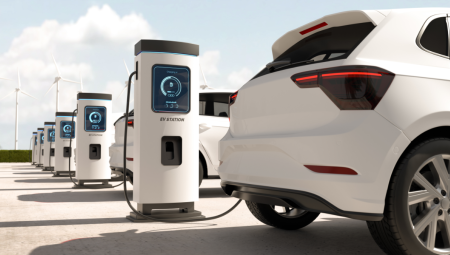

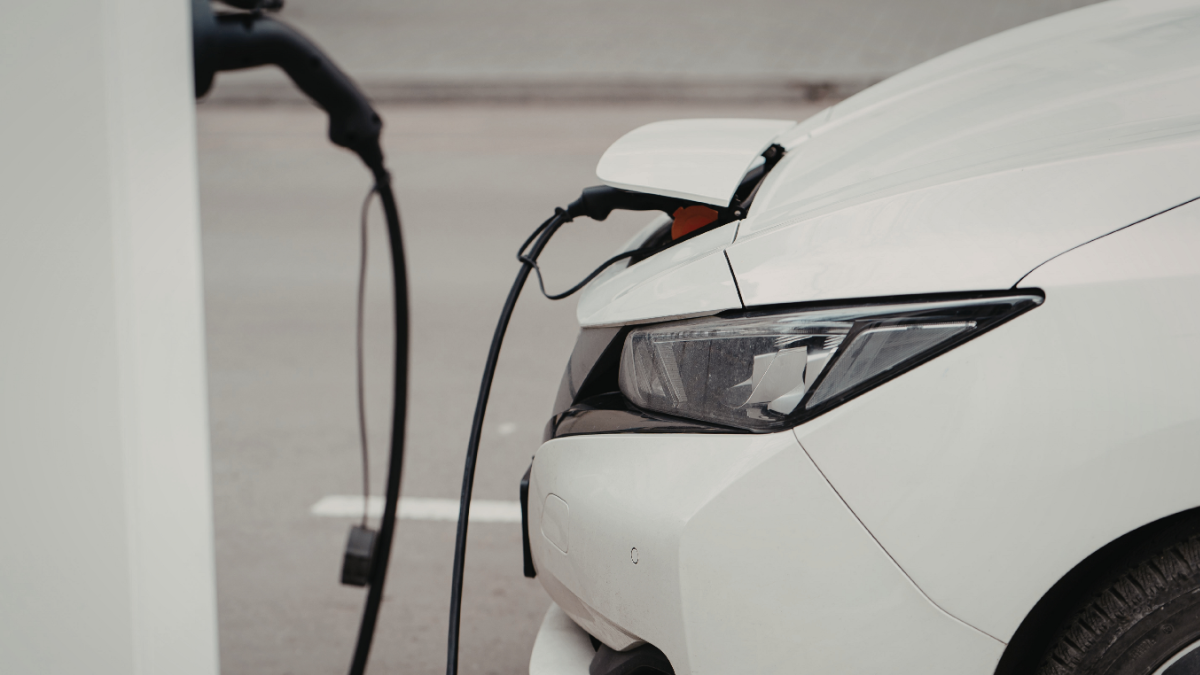
Mexico. The progress of the electrification of the vehicle fleet in Mexico is not only transforming mobility, but is also highlighting a challenge that is not very visible for the automotive sector: the preparation of the service and maintenance ecosystem.
As electric vehicles (EVs) gain a foothold on the streets, many auto repair shops are facing an operational gap that has yet to be resolved.
Unlike internal combustion vehicles, electric cars require specific diagnostic protocols, the safe handling of high-voltage components, and a distinct understanding of mechanical and electronic failures. However, a significant part of the independent workshops – responsible for attending to a significant proportion of vehicle maintenance in the country – continue to operate with schemes, tools and knowledge designed for traditional engines.
From working directly with mechanical workshops, Pitz has identified that one of the main challenges is not resistance to change, but the lack of clear information, accessible training and processes adapted to this new technological reality. This gap can lead to incomplete diagnoses, longer service times, operational risks and a more complex experience for both individual users and fleets.
- Advertising -"The growth of electric vehicles is a clear sign of where the industry is going, but it also forces us to look at what happens in the day-to-day mechanical service. Many workshops are facing this transition without sufficient tools, and that represents a challenge for the entire automotive ecosystem," says Natalia Salcedo, CEO and founder of Pitz.
Specialists agree that the challenge goes beyond the incorporation of new technologies. The transition to electric mobility requires that technical knowledge, diagnostic processes and the way repairs are documented evolve at the same pace as the vehicle fleet. Otherwise, the gap between innovation and operational capability could become an obstacle to efficiency, security, and user confidence.
In this context, the use of digital tools and solutions based on artificial intelligence is beginning to emerge as a support to organize technical information, document processes and accompany decision-making in workshops, as long as their adoption goes hand in hand with training and specialized knowledge.
Looking ahead to 2026, the debate in the automotive sector is not only focused on how many electric vehicles circulate in the country, but also on how prepared the service and maintenance ecosystem is to serve them. The adaptation of the workshops will be a key factor for the electrification of the vehicle fleet to advance in an orderly, safe and sustainable manner in the long term.